
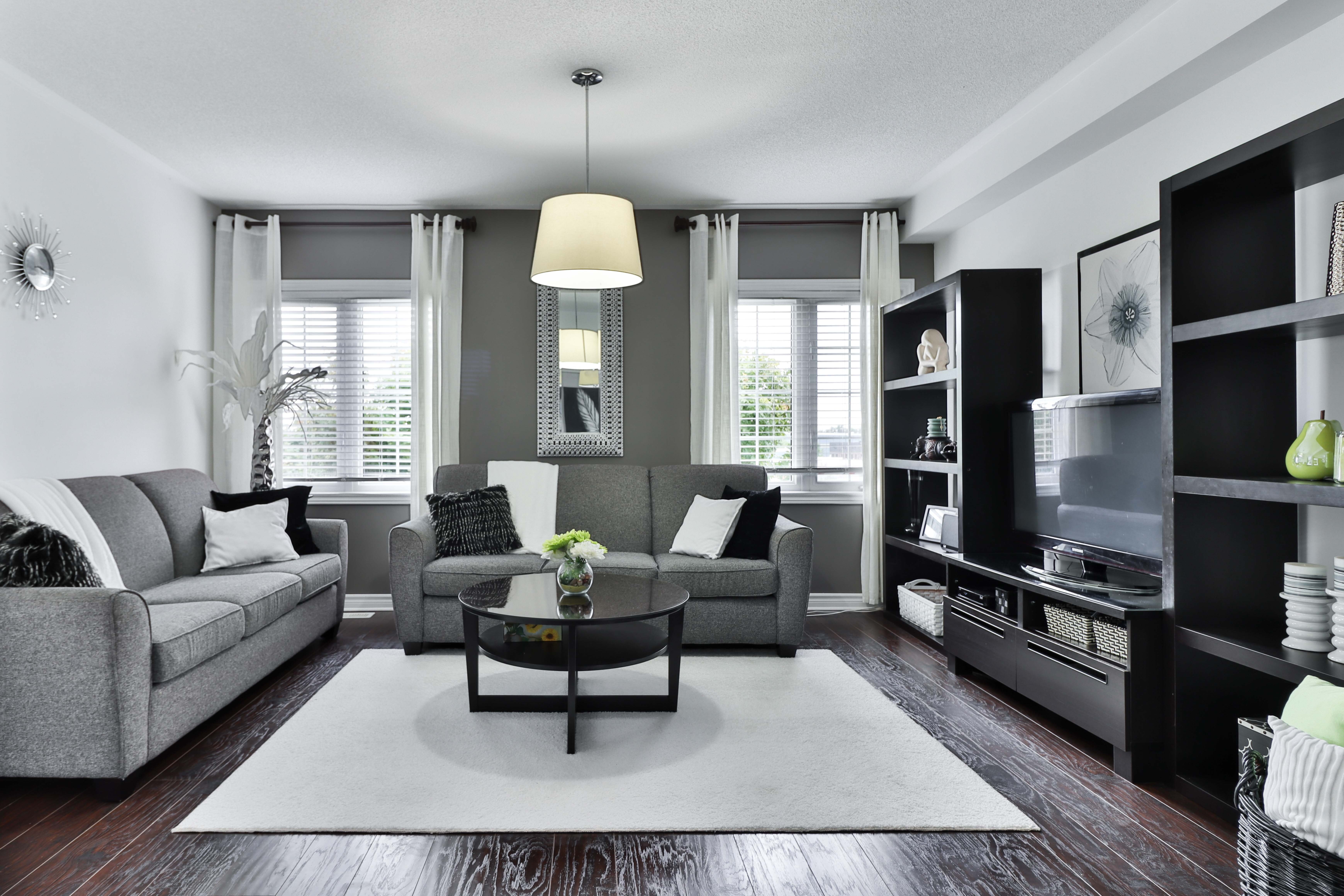
I have spent the last few months tracking how domestic environments react to shifting occupancy patterns, and it is clear that our standard floor plans are failing to keep up with the data. We have spent decades optimizing for a singular aesthetic, ignoring the physical mechanics of how a room actually performs under the stress of modern work and storage requirements. When I walk into a traditional home, I see wasted volumetric potential and rigid infrastructure that prevents any meaningful change in utility.
It is time to stop viewing renovations as a way to chase current trends and start treating them as a recalibration of your living system. I want to look at how we can strip away the decorative noise to focus on the structural and functional bones of a room. Let us break down five strategies that prioritize efficiency and long-term adaptability over the fleeting satisfaction of a fresh coat of paint.
Most people treat walls as static boundaries, but if you look at the floor joists and load-bearing logic, you realize you can often reclaim significant square footage by simply reorienting the circulation path. I suggest looking at the mechanical stack—where your plumbing and electrical lines congregate—and building your wet zones around those existing conduits instead of fighting them. By moving your laundry or kitchen utility to align with existing vertical pipes, you save thousands in labor costs while creating a more logical flow of resources through the house. I find that shifting a doorway even two feet can change the entire thermal profile of a room by allowing air to circulate without obstruction. It is not about adding more space; it is about removing the friction that makes your current space feel smaller than it is.
Once you have established a better flow, focus on vertical storage integration that does not rely on traditional cabinetry. Many of us use bulky, freestanding furniture that creates dead zones where dust accumulates and light cannot reach. I prefer building custom shelving directly into the wall studs, which turns a standard partition into a functional storage unit without sacrificing floor space. When you recess your storage, you effectively widen the room and force yourself to be more intentional about what items you keep. If you can manage to hide your utility panels and tech hubs within these recessed zones, you eliminate the visual clutter that makes a home feel chaotic. This is a matter of physics and geometry, not just interior design, as the reduction of surface-level objects creates a measurable increase in perceived volume.
Lighting is the next variable that needs a complete overhaul, as most residential setups rely on a single, poorly placed overhead source that flattens every texture in the room. I have been experimenting with installing low-voltage linear LED tracks that can be adjusted based on the time of day, which mimics the natural circadian cycle and reduces eye strain. By mounting these tracks along the perimeter of the ceiling, you wash the walls with light, which tricks the brain into seeing the room as larger than its actual dimensions. We often forget that shadow is just as important as illumination, so I prioritize task-specific lighting that can be dimmed independently of the ambient glow. When you stop relying on a central light fixture, you allow the room to exist in layers, letting you isolate the areas you are actually using at any given moment.
Finally, consider the material science of your floors and surfaces, as the thermal mass of your materials dictates how much energy you need to keep a room comfortable. I have replaced heavy, synthetic carpets with high-density cork or polished concrete in high-traffic zones because these materials act as heat sinks that regulate temperature naturally. If you pick materials that conduct heat efficiently, you spend less on mechanical climate control and your floors remain physically comfortable underfoot throughout the year. It is a simple matter of choosing density over fluff, and the result is a room that feels grounded and responsive to the climate outside. When you stop treating your home as a static box and start managing it as an energy-efficient machine, the return on your effort becomes immediately visible in your monthly utility bills.