Pimp My Pad: Jazz Up Your Listings With Virtually Staged Magic
Pimp My Pad: Jazz Up Your Listings With Virtually Staged Magic - The Power of First Impressions
They say you never get a second chance to make a first impression. This age-old adage rings especially true in real estate. Potential buyers form an opinion about a property within seconds of viewing it online or in-person. They make snap judgments based on the home's curb appeal, cleanliness, layout and styling. A bad first impression is hard to overcome and often leads to lost sales.
Clutter and messiness are one of the biggest turn-offs for buyers. If your home looks disorganized or dirty in photos, most people will immediately move on to the next listing. Decluttering and deep cleaning before taking photos or hosting open houses is essential. Remove excess furniture, personal items, piles of paper and anything else creating visual chaos. Clean all surfaces until they gleam. A tidy, welcoming space helps buyers imagine themselves living there.
Furniture arrangement also impacts first impressions. How you set up and style each room informs the buyer's perception of livability and functionality. For example, a crowded living room with chaotically placed furniture feels small and unwelcoming. Spreading things out with clear pathways makes it appear more spacious and inviting. Photograph empty rooms from flattering angles to avoid the appearance of cramped, awkward spaces.
Curb appeal sets the tone before buyers even enter your home. A poorly maintained exterior surrounded by overgrown landscaping screams, "Don't buy me!" Trimming trees and bushes, mowing the lawn, power washing surfaces and painting the front door helps your home make a great first impression. Pay special attention to the entryway, as this sets the visual tone for what follows inside. A vibrant welcome mat, potted plants and decorative touches transform a forgettable front door into an inviting introduction.
While first impressions matter across all home types, they are especially important for unique properties like historic homes, unconventional designs and more. Buyers may need extra nudging to appreciate special features that deviate from their expectations. Warm, harmonious styling helps counteract initial negative reactions some people have toward the unfamiliar.
Pimp My Pad: Jazz Up Your Listings With Virtually Staged Magic - Declutter Your Space, Declutter Your Mind
Clutter accumulates easily in homes, especially over many years of living in one place. Messy, disorganized spaces filled with junk are energy-draining and depressing. Clutter literally weighs us down, both mentally and spiritually. It contributes to anxiety, overwhelm and inability to focus.
Getting your home decluttered and tightly organized before listing it for sale or rent is non-negotiable. But the benefits extend far beyond prepping for photos and showings. Clearing out clutter improves your whole outlook.
Rebecca Smith gave her home a deep declutter before putting it on the market. She sorted through 15 years of accumulated possessions, donating and recycling vigorously. "Each box I hauled away felt like a physical weight being lifted off my chest," she said. "By the time the house was staged, I felt focused and full of energy in a way I haven't experienced in years."
Decluttering guru Marie Kondo recommends touching each item you own as you consider whether to keep or discard it. Pay close attention to how the item makes you feel in the moment. Let go of anything that doesn't bring an instant sense of joy. This process helps purge not just physical clutter but also emotional baggage and energy drainers.
"I was skeptical at first about Marie's methods," admitted real estate agent Leah Wu. "But as I worked through my closets and cabinets, I was amazed at how right she was. I made connections between certain items and painful parts of my past. Letting go felt like dropping years of emotional weight."
Parker Mills took a minimalist approach to decluttering before putting his home on the market. "I systematically removed anything that didn't actively add beauty or clear function to my daily life," he said. "The result was transformative. Every room now has clean lines and space to move and breathe. I did it to stage the home, but I ended up staging my mindset too. It was like a mental cleanse."
Pimp My Pad: Jazz Up Your Listings With Virtually Staged Magic - Reimagine Your Rooms with a Virtual Makeover
Reimagining your rooms with a virtual makeover can take your home listings from drab to fab without lifting a finger. This innovative technology empowers you to showcase your properties at their maximum potential without undertaking expensive renovations or restaging.
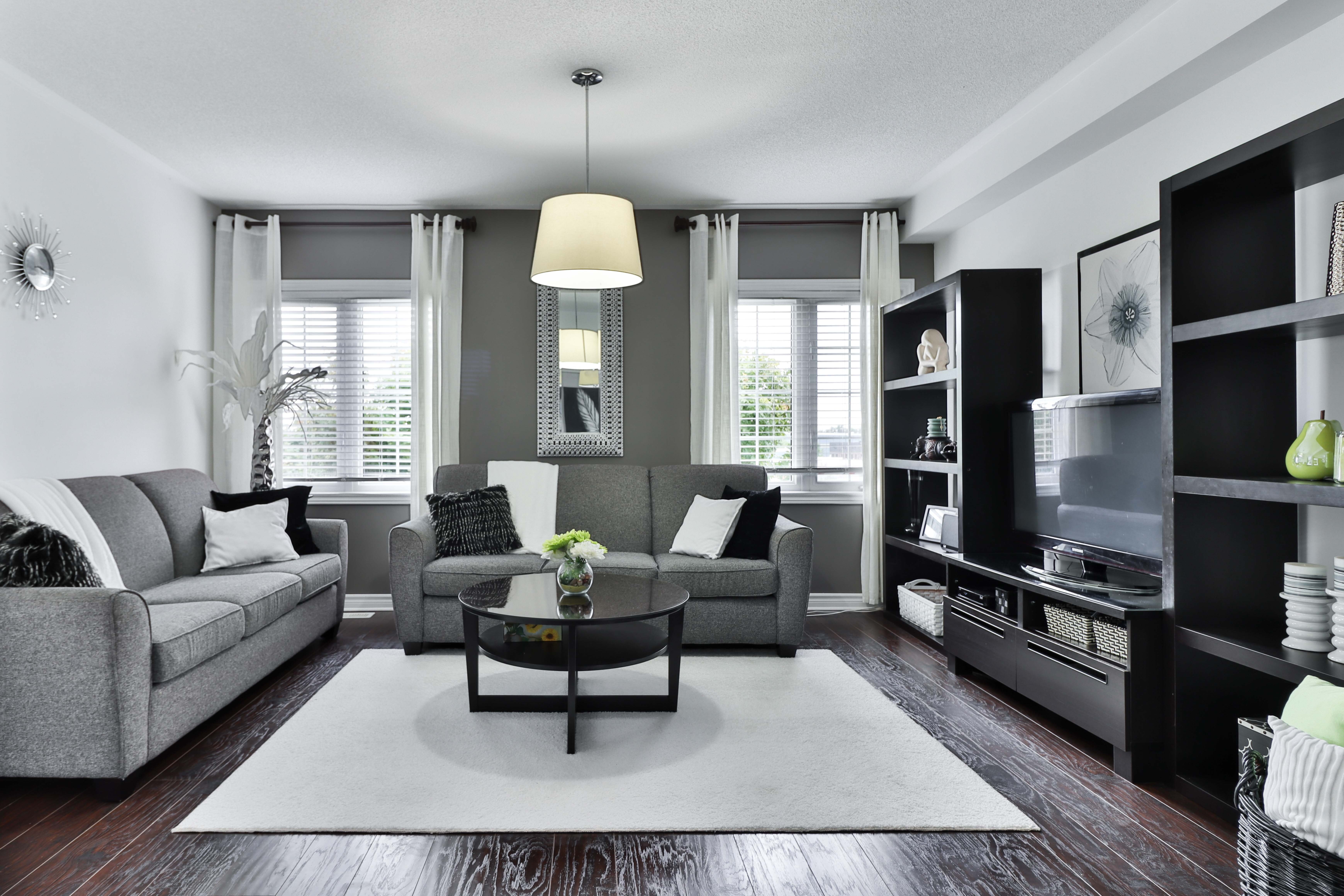
Virtual staging is revolutionizing the way real estate agents market listings. It provides an affordable way to showcase properties to their full stylistic potential. With just a few clicks, you can add or change flooring, paint colors, furnishings, artwork and decor. The ultra-realistic renderings depict your spaces completely transformed.
Janine Shah used virtual staging to jazz up her dated mid-century home before putting it on the market. “The virtually staged kitchen went from a sea of brick red, navy blue and dingy yellow to a clean, bright showstopper with white cabinetry, marble counters and modern backsplash,” she said. “I was able to highlight the home’s potential without investing thousands in actual renovation.”
Erik Thompson’s colonial-style home felt dark and choppy due to an awkward layout. Virtual staging opened up the interior and bathed it in light. “We removed walls, changed paint colors, added skylights and swapped in lighter floors and cabinetry,” Erik explained. “The digital images make the home feel completely fresh and modern now.”
For Ronda Peete, virtual staging was the key to selling her home fast in a hot market. “We made every room pop with bold colors and stylish, contemporary furnishings in the virtual renderings,” she said. “It made my traditional home look bright, sleek and move-in ready. We had multiple offers over asking in just two days.”
Small spaces can be challenging to photograph. But with virtual staging, you can reimagine tight spots to look airy and inviting. “We digitally removed the clumsy overhead cabinetry in my galley kitchen, which made it look so much more spacious,” said real estate agent Aisha Simpson. “We also opened up walls, added a breakfast nook and changed the floor plan. Suddenly it was a dream kitchen!”
Dedicated home stagers love virtual staging too. "It's a quick, inexpensive way to showcase options and possibilities to my clients," said stager Monique Chen. “We’ll digitally stage a space two to three different ways. This helps the homeowners visualize what's most appealing before investing in physical renovations and furnishings.”
Home builder Rafael Morris uses virtual staging to sell his new construction homes faster. “We’re able to show unfinished spaces fully decked out with the latest design trends and finishes,” he said. “It’s very effective for getting buyers excited to put down deposits before construction even begins.”
Pimp My Pad: Jazz Up Your Listings With Virtually Staged Magic - Maximize Your Curb Appeal Without Lifting a Finger
A home's curb appeal makes a significant impact on potential buyers before they even step inside. Studies show over half of prospective buyers will drive by a home first before deciding to schedule a showing. Lackluster curb appeal leads many to move on without a closer look.
Maximizing curb appeal is crucial, but completely re-landscaping the exterior is expensive. This is where virtual staging comes in handy. With just a few clicks, you can digitally upgrade your home's exterior and create stunning curb appeal without lifting a finger.
Landscaping features heavily in curb appeal. Overgrown bushes, dying grass and weeds are surefire turnoffs. But ripping everything up and starting fresh costs big bucks. Virtual staging allows you to digitally trim and manicure the landscaping. You can even add new elements like flower beds, stone walkways and water features that aren't actually there.
Brian Hutchinson used virtual staging to give his home a picture-perfect landscaping makeover for under $100. "Professionally replacing our tired front yard with sod, trees, shrubs and flowering plants would've cost upwards of $10,000," he said. "The digital renderings look so real that most people viewing the listing can't tell the difference."
The same technology can also alter exterior surfaces and finishes. Painting the entire house, replacing the roof, installing new windows or swapping in upscale garage doors carries a hefty price tag. But with virtual staging, boosting curb appeal is as easy as changing colors and textures on a screen.
Simone Davis gave her dated gray house and red roof an instant facelift for $50. "We digitally painted the house a light blue with white trim and changed the roof to slate gray shingles," she explained. "The transformation made the exterior look bright, modern and welcoming without paying thousands for actual painting and roof replacement."
Even small cosmetic upgrades like house numbers, exterior lighting, pots of flowers and welcome mats influence curb appeal. But constantly maintaining these decorative elements is a hassle. With virtual staging, you can digitally adorn the entryway and exterior with seasonal flourishes that always look photo-ready without ongoing upkeep.
Landon Hayes uses virtual staging to decorate his rental properties with fall wreaths, flower pots and welcome mats changed seasonally. "I don't have to physically install and remove the decor each time," he said. "The digital images keep the exteriors looking fab and welcoming year-round for almost nothing."
Home stager Zoe Chen relies on virtual staging to quickly boost curb appeal before showings and open houses. "I'll add pops of color with digitally painted doors or stylish exterior light fixtures," she said. "These small tweaks make a big impression on buyers without requiring hands-on installation and removal."
Pimp My Pad: Jazz Up Your Listings With Virtually Staged Magic - Take Your Listings from Drab to Fab
Transforming dull, outdated home listings into stylishly staged showpieces is the key to attracting buyers in a competitive market. Staging makes properties feel move-in ready and helps buyers envision living there. But remodeling and redecorating are expensive, disruptive undertakings. This is where virtual staging saves the day by digitally enhancing your listings from drab to fab almost instantly.
Janine Shah’s mid-century home felt stuck in the past with its dreary color scheme, worn carpeting and cluttered rooms. “It just looked so outdated and depressing in the listing photos,” she recalled. “I knew we needed to jazz it up but couldn’t afford major renovations.” Virtual staging provided an affordable alternative, and Janine was thrilled with the results. “We gave every room a modern, open look with contemporary paint colors, sleek furniture arrangements and stylish accents. My dated house now looked bright, luxurious and move-in ready for a fraction of traditional staging costs.”
Ronda Peete’s traditional home lacked pizzazz due to its cookie-cutter builder style. “It was beige, beige and more beige,” she said. “We needed to amp up the visual interest.” Ronda staged it virtually with bold wall colors, eye-catching light fixtures and vibrant artwork. “The renderings made my bland house look fun, fashionable and ready for Instagram!” she said. “We had offers over asking in two days.”
Leanne Torres prepares rental properties for new tenants using virtual staging magic. “Student housing gets trashed each year, so I digitally paint, furnish and decorate to conceal damage,” she explained. “The virtual images showcase the units looking fresh, modern and move-in ready without spending a fortune.” Leanne also uses virtual staging to create model unit photos. “I change up paint, layouts and furnishings for variety. It saves a ton of time and money.”
Erik Thompson’s colonial house felt choppy and compartmentalized when preparing it for sale. With virtual staging, Erik opened up walls, expanded windows and refinished floors for a light, airy feel. “We gave the whole house a relaxed California vibe with virtual interior design,” he said. “Now the spaces flow seamlessly together, and the home feels warm, welcoming and full of possibility.”
Home stager Zoe Chen relies on virtual staging to quickly jazz up listings before showings and open houses. “Accent walls, area rugs, art and accessories breathe new life into boring spaces,” she said. “These finishing touches create showcase spaces that get buyers excited about properties.” Zoe also digitally removes clutter and outdated elements like wallpaper and heavy drapes to lighten up rooms. “It’s an easy, affordable way to spotlight a home’s potential.”
Monica Gomez virtually stages her Airbnb units to keep up with design trends. “I change the look and layout frequently to stay fresh,” she said. “Digitally painting, furnishing and decorating lets me reinvent the spaces every season. My bookings have tripled since implementing virtual staging.”
Pimp My Pad: Jazz Up Your Listings With Virtually Staged Magic - Get Creative with Furniture Arrangements
Strategic furniture placement transforms plain spaces into inviting showpieces with personality and purpose. When listing your home, getting creative with furniture arrangement enhances visual appeal, highlights functionality and builds excitement in buyers looking to envision their life within your walls.
Furniture layout sets the tone in any room. For living spaces, creative arrangements invite people to gather, mingle and relax. Interior designer Alicia Chang suggests anchoring the living room with a large sectional and flanking it with end tables and lamps. “Leave enough space between furniture groupings for traffic flow, and aim for multiple small conversation areas versus one large static seating space,” she advises. Floating the furniture away from walls makes rooms feel more expansive and welcoming.
For dining spaces, consider multifunctional table shapes like rectangles that accommodate large groups but also pull apart into smaller sections for intimate gatherings. Round tables promote connection through equality — nobody sits at the head. Square tables work well in tight spaces, while oval or boat shapes soften hard corners and edges.
Getting creative with furniture layout extends beyond seating. Interior designer Maya Santos recommends using bookcases and shelving to divide open spaces in appealing ways. “Placing two tall bookcases perpendicular to each other creates a room divider that still allows light and views through,” she explains. Built-in or freestanding display cabinets act as space separators while also highlighting decorative objects.
The furniture angle matters too. “Avoid lining up large pieces squarely against the walls,” advises stager Rachel Levin. “This creates a static, unnatural feel. Angle seating slightly and float pieces away from the walls so the room flows more organically.”
A bedroom feels more expansive with the bed centered on the wall versus jammed into a corner. Make sure nightstands and other furnishings don’t box in the bed excessively. “Allow enough room to comfortably make the bed and circulate around it,” says Levin. “At least 24 inches of clearance on either side is ideal.”
In home office spaces, orient the desk toward the doorway rather than facing the wall for a more welcoming work zone. Interior designer Alicia Chang suggests framing the desk area with bookcases, filing cabinets or room dividers to create a professional feel.
The kitchen is often the heart of a home. Maximize functionality of the space by ensuring appliances and fixtures flow ergonomically. Interior designer Maya Santos recommends at least 42 inches between opposite surfaces for optimal multi-cook traffic flow. “Use an island or kitchen cart to expand work space and define cooking zones,” she advises.
Pimp My Pad: Jazz Up Your Listings With Virtually Staged Magic - Make Small Spaces Look Bigger Than They Are
Small spaces can feel cramped and claustrophobic, but with clever styling tricks you can open up tight areas to make them appear more spacious. When prepping a property for sale or lease, visually maximizing square footage helps buyers and tenants envision themselves living comfortably in the space.
The first step is purging clutter, which makes any area feel smaller. “Get rid of anything you don’t use or need,” advises interior designer Alicia Chang. “The less stuff, the bigger the space will look and feel.” Built-in shelving and storage keeps necessities accessible but out of sight.
Strategic furniture arrangement also helps maximize small spaces. “Avoid large, bulky pieces that overwhelm,” says stager Monica Gomez. “Opt for slender, leggy furniture that doesn’t hog floor space. Multi-functional items like storage ottomans and sofa beds save precious room too.” Clever organization like wall-mounted tables, fold-down desks and bunk beds free up valuable floor space in tight quarters.
Home stager Leanne Torres relies on virtual staging to make small rooms appear more expansive. “We’ll digitally bump out walls, raise ceilings, add skylights and swap bulky furnishings for lightweight pieces,” she explains. “Visually erasing clutter while amplifying light and space works wonders on tight spots.”
Interior designer Maya Santos uses creative lighting to open up petite rooms. “Mirrors and metallics magnify and reflect light to make small areas glow,” she says. “Installing recessed and track lighting eliminates bulky floor and table lamps.” Painting the ceiling, doors and trim a bright gleaming white also heightens the feeling of space by maximizing brightness.
Monochromatic color schemes lend a seamless, expansive look to tiny rooms. “Sticking with one neutral wall color avoids chopping up the space,” advises designer Alicia Chang. “Add visual interest through varied textures instead of competing colors.” Elongating the room with vertical stripes or tall floral prints also makes low-ceilinged spaces appear loftier.
For cramped kitchens and bathrooms, glass cabinetry, open shelving and retractable shower doors maintain visibility instead of blocking sightlines, which makes spaces feel more open. “Minimize wall cabinets to draw the eye upward and reflect more light,” suggests Chang. “Vessel sinks and wall-mounted faucets also take up less space than traditional vanities.”
When showing off small outdoor living areas, simple, multifunctional furnishings allow the features of the space to shine. “Less is more with balconies, patios and tiny yards,” notes Gomez. “A bistro set and slim storage benches are often all you need to create an inviting, uncluttered retreat.”
Strategically highlighting room strengths steers attention away from square footage limitations. “Play up elements like bay windows, arched doorways and statement light fixtures to wow buyers,” says Torres. “Visually minimizing flaws naturally maximizes assets.”
Pimp My Pad: Jazz Up Your Listings With Virtually Staged Magic - Experience the Wow Factor Without Major Renos
Extensive renovations like knocking down walls, ripping up floors and gutting kitchens allow for total transformation but require massive investments of time and money. However, you can still achieve a “wow factor” update with less invasive changes. Strategic refreshes and finishes completely reinvent a space for a fraction of the effort and cost of major renos.
A fresh coat of paint works magic. Interior designer Leanne Torres gave her living room a floor-to-ceiling makeover for $100 just by repainting it. “The previous tan scheme felt dated and dreary,” she explained. “Now in a trendy navy blue, the room feels glamorous and current.” Leanne recommends using paint to camouflage flawed spaces. “Bold colors distract from worn floors or outdated cabinets. Paint is the easiest, cheapest way to refocus a room.”
Quick cosmetic fixes generate substantial visual impact. “New fixtures, hardware and accent tiles transform spaces for surprisingly little money,” said home stager Zoe Chen. She refreshed a lackluster bathroom by replacing the toilet paper holder, faucet, showerhead and medicine cabinet knobs with brushed bronze hardware. Zoe also added metallic mosaic tile as an accent strip. “It cost under $300 total but looks like a whole new high-end spa bathroom now,” she said.
Rather than costly replacements, stager Monica Gomez refinishes or repurposes existing elements. “Sand and restain wooden floors, cabinetry and bannisters to refresh the look,” she suggests. “Or give tile floors new life by regrouting and adding decorative inserts.” Monica also spray-paints dated lighting fixtures, transforms flea market finds into artwork and reupholsters worn furniture. “Breathing new life into what’s already there avoids big bills,” she says.
Quick flooring upgrades provide big visual impact without installing entirely new flooring. Homeowner Rafael Morris layered large-scale tile over his scuffed hardwood floors for a modern makeover. “The faux-wood porcelain tile gave the living and dining rooms a fresh, contemporary look for just $750 in materials,” he said.
Home stager Aisha Simpson digitally stages floors using virtual imaging technology. “We layer digitally over worn carpeting or damaged wood with almost any type of new flooring to showcase the potential,” she explained. Virtual floors elevate a space aesthetically and eliminate concerns about actual conditions.
Strategic demolition minimizes major renovation work too. Mark Thompson opened up his cramped kitchen dramatically by taking down one wall. “Removing that single non-load-bearing wall instantly made my closed-off kitchen feel spacious and airy,” he said. “I was able to renovate for a fraction of the cost by keeping the existing footprint intact.”
You can introduce architectural drama without moving walls. Homeowner Simone Davis added a stunning exposed brick accent wall using faux reclaimed panels. “It only took an afternoon to install but looks like we gutted the place and exposed original brickwork,” she said.
With creative vision, existing assets become focal points. Janine Shah drew attention to her home’s beautiful hardwood staircase by refinishing the treads a dramatic black. “That small change transformed the stairs into a striking, high-end design feature,” she said. “At a fraction of the cost of full bannister and spindles replacement.”
More Posts from colossis.io: